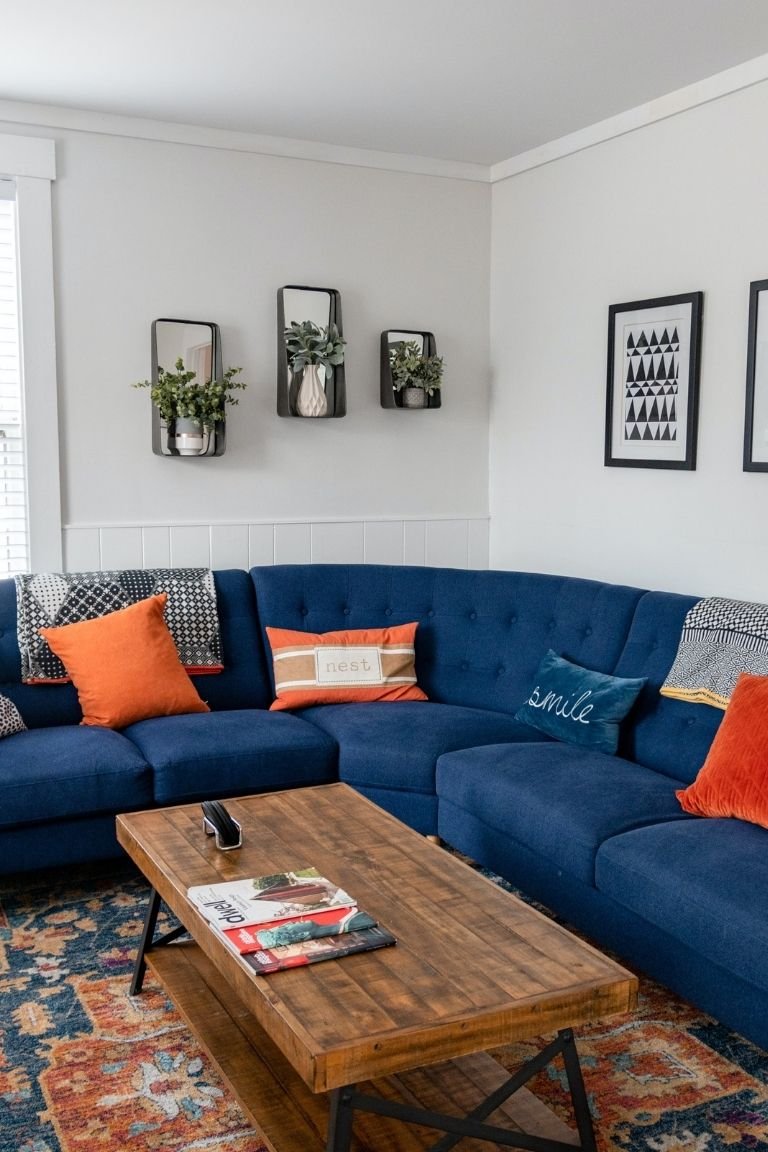
Seating is one of the most important components of living room design because it directly affects how people use and experience the space. A thoughtfully arranged seating plan does more than just fill the room — it encourages conversation, supports comfort, and invites connection.
Living room seating arrangements that boost comfort and connection are rooted in how people interact with one another and their environment, not just how furniture fits on a floor plan. The goal is to create areas where people feel naturally drawn to sit, talk, relax, or unwind.
If you haven’t already explored how layout impacts comfort and conversation, check out our foundational post How Living Room Layout Impacts Comfort and Conversation, which sets the stage for how space influences interaction.
Why Seating Arrangement Matters
The way seating is positioned affects everything from sightlines to social energy. When seating is arranged haphazardly or too far apart, conversation can feel forced or scattered. When it’s overly condensed, the room can feel crowded or stifling.
The right seating arrangement supports:
- Comfortable eye contact between people
- Functional paths for movement
- Flexible use of space
- A balanced sense of openness and focus
These qualities help the room feel cohesive and emotionally comfortable.
Group Seating Around Clear Conversation Zones
One of the most effective seating strategies is to create a distinct conversation zone — a defined area where chairs and sofas face one another, encouraging interaction.
- Arrange sofas and chairs so they naturally face each other.
- Avoid lining all seating against walls if possible — this can reduce intimacy.
- Use a coffee table or rug to anchor the conversation zone visually and functionally.
This type of seating makes it easy for people to talk without raising their voices or turning their bodies awkwardly.
Use Symmetry for Calm and Balance
Symmetry in seating arrangements often creates a calm and balanced feel. For example, matching chairs on either side of a sofa or pairing two identical armchairs opposite a couch can make the space feel peaceful and well-ordered.
- Symmetrical seating feels intentional and grounded
- It supports balanced sightlines
- It often works well in both formal and casual living rooms
However, symmetry isn’t always required — just intentional placement and visual balance.
Make Space for Flexible Conversation
Not all comfortable seating needs to be formal. In many homes, living rooms serve multiple purposes — from movie nights to casual gatherings and weekday relaxation. Flexible arrangements allow the room to adapt to different activities.
- Incorporate ottomans or poufs that can be moved as needed
- Add smaller accent chairs that can be repositioned
- Use modular sofas that can rearrange for different needs
These options allow a living room to feel both formal and laid-back — depending on how you’re using it that day.
Consider Sightlines and Focal Points
Seating doesn’t exist in isolation; it relates to the room’s focal point — whether that’s a fireplace, media center, large window, or piece of art. How people are positioned in relation to that focal point affects comfort and engagement.
- Align seating so that most people have a clear view of the focal point
- Avoid seating that forces people to twist or turn uncomfortably
- Use area rugs to anchor focal zones
A clear focal point helps create a shared visual experience, making group interactions feel easier and more natural.
Leave Room for Movement and Flow
While seating should encourage connection, it shouldn’t block key pathways through the living room. Clear movement space helps the room feel open and comfortable.
- Leave at least 30–36 inches of space between seating and traffic paths
- Maintain distinct aisles for movement around the room
- Avoid crowding corners with bulky furniture unless intentional
When movement feels natural, people feel more at ease — especially when entering or exiting the seating area during conversations or gatherings.
Add Layered Surfaces to Enhance Comfort
While seating arrangement is key, surface layering — such as rugs, side tables, and coffee tables — helps ground seating clusters and support comfort.
- Place area rugs large enough so at least the front legs of seating rest on them
- Use side tables within easy reach of chairs and sofas
- Keep coffee tables at a comfortable distance so it feels natural to place drinks or items without crowding the zone
Surface layering makes seating arrangements feel well-designed and intentional, contributing to an overall sense of calm.
Incorporate Lighting to Support Social Activities
Lighting plays a big role in how seating zones feel. Too harsh overhead lighting can make a space feel stark, while soft, layered lighting creates warmth and comfort.
- Use floor or table lamps near seating areas for soft illumination
- Consider reading lamps for chairs or corners that serve dual purpose
- Balance general lighting with accent lighting to reduce shadows
Gentle lighting encourages conversation and makes the seating feel more welcoming — particularly in the evening when brighter lights can feel intrusive.
Embrace Negative Space Around Seating
Negative space — the empty areas around furniture — matters just as much as the furniture itself. Too little open space can make a room feel crowded, even with comfortable seating.
- Leave breathing room around the conversation zone
- Avoid placing furniture too close to walls unless intentional for scale
- Use vertical space for storage or decor to keep floor areas open
Negative space helps the eye rest, supports movement, and reinforces a sense of calm and openness around conversation hubs.
Final Thoughts
Living room seating arrangements that boost comfort and connection are rooted in intention — not just style. Thoughtful placement supports natural interaction, encourages relaxed conversation, and makes everyday use feel effortless.
By creating clearly defined zones, considering sightlines and focal points, and leaving room for movement and comfort, you create a space where people feel truly at ease. Whether it’s family nights or guest gatherings, intentional seating makes the living room feel like the heart of the home.