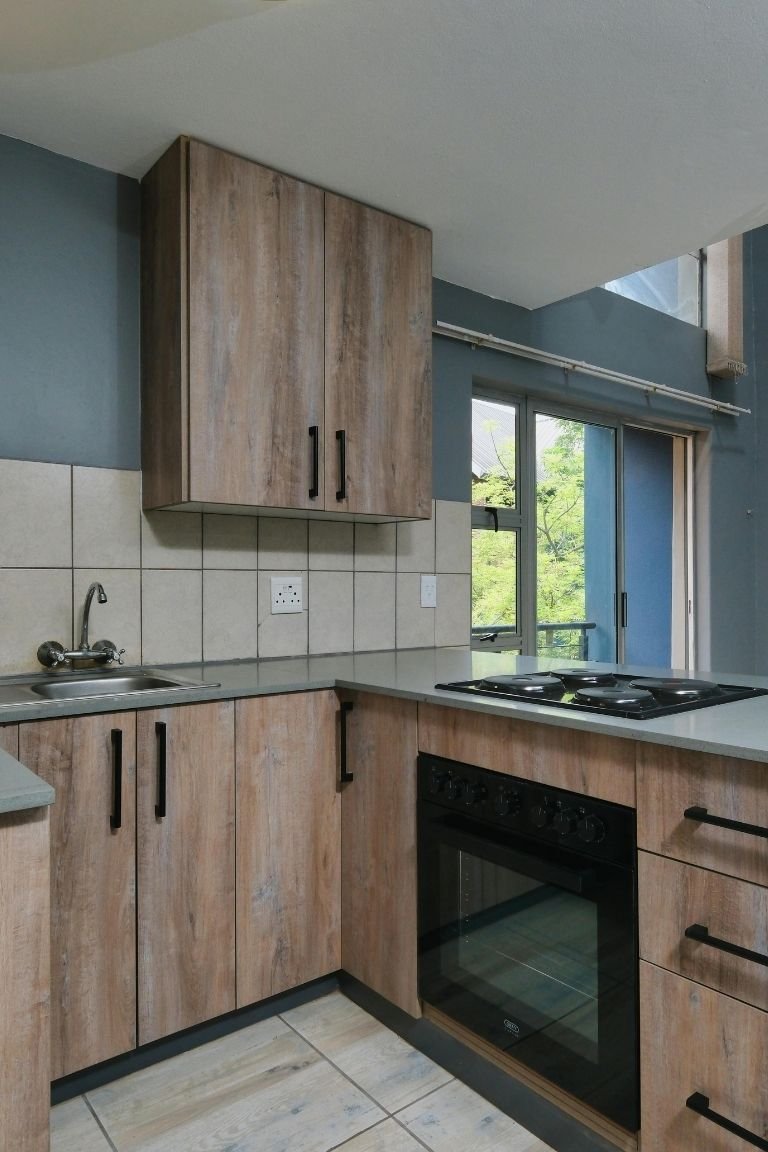
A kitchen’s layout doesn’t just influence how it looks — it determines how it feels to use every day. A well-designed layout supports how you cook, clean, and interact with the space, while a poorly thought-out one can make simple tasks feel awkward or tiring.
Understanding how kitchen layout impacts cooking flow and daily routines helps you make intentional decisions that improve comfort and efficiency. Rather than relying on aesthetics alone, a thoughtful layout prioritizes function, movement, and accessibility.
If you’re planning big changes, you may find it helpful to start with Kitchen Design Ideas That Make Everyday Cooking Feel Easier and More Enjoyable, which explores the foundational principles of functional kitchen design.
The Heart of Kitchen Function: Work Triangle and Zones
At its core, kitchen layout is about positioning key functions so they support each other. Traditional design theory refers to the work triangle — the relationship between the sink, refrigerator, and stove. When these elements are placed thoughtfully, movement becomes intuitive rather than exhausting.
In modern kitchens, the concept has expanded into defined work zones:
- Preparation zone: Counter space near fresh ingredients and knives
- Cooking zone: Stove, oven, and ventilation
- Cleaning zone: Sink and dishwasher
- Storage zone: Refrigeration, pantry, and everyday dish storage
When these zones are aligned logically — without unnecessary steps between them — daily routines flow more smoothly and naturally.
Clear Traffic Paths Make Everyday Tasks Easier
Cluttered or narrow walkways interrupt flow. Kitchens are often busy spaces, especially during mealtimes and gatherings. Clear traffic paths prevent congestion and help multiple users work comfortably together.
Design principles to improve traffic flow include:
- Allow at least 36 inches of clearance in main walkways
- Keep entrances and exits free of obstacles
- Position islands or peninsulas so they don’t block movement
A kitchen layout that anticipates how people move — entering with groceries, setting things down, moving between appliances — feels easier to use and more intuitive.
Work Surface Placement Matters
Where counters and prep areas are located influences both comfort and efficiency. Ideally, work surfaces should be positioned near the zones where they’re needed most:
- Prep space next to the sink for washing and chopping
- Landing space for hot pans near the stove
- Counter space beside the refrigerator for unloading groceries
These seemingly small adjustments reduce repetitive steps and make routines feel effortless rather than disjointed.
Islands and Peninsulas: More Than Style
Kitchen islands and peninsulas offer valuable space, but their placement and size should be evaluated carefully. Too small, and they feel awkward; too large, and they can interrupt work flow.
Good island or peninsula design:
- Provides additional prep surface
- Supports secondary seating or casual dining
- Maintains at least 42–48 inches of clearance on all sides
When positioned thoughtfully, these elements become functional anchors rather than obstacles.
Adapting Layouts to Different Kitchen Sizes
Not all kitchens are large or square, yet every kitchen deserves good flow. Layout principles apply across sizes — what changes is how they’re implemented:
| Kitchen Type | Best Layout Strategy | Why It Works |
|---|---|---|
| Galley kitchen | Parallel work zones | Makes efficient use of narrow space |
| L-shaped kitchen | Corner prep and storage zones | Supports smooth rotation through tasks |
| U-shaped kitchen | Defined cooking and prep lanes | Minimizes traffic interruption |
| Open plan kitchen | Island to anchor zones | Creates flow without barriers |
Each layout has strengths. The goal is to leverage those strengths while minimizing unnecessary movement.
Vertical Space: A Key Element of Flow
Often overlooked, vertical space plays a significant role in how easily a kitchen works. Storing frequently used items at reachable heights reduces strain and prevents cluttered counters.
Consider:
- Wall cabinets at eye level for everyday dishes
- Open shelving for items you use often
- Tall pantry units for dry goods storage
Properly organized vertical storage reduces the need to bend or reach excessively — small design choices that add up to big gains in comfort.
Multiple Users: Shared Flow Considerations
Many households have more than one person working in the kitchen at a time. A good layout considers this by:
- Providing separate prep and cleanup areas
- Ensuring traffic paths don’t cross critical work zones
- Positioning dishwashers and ovens so they don’t interrupt flow when open
These choices help the kitchen feel less stressful and more collaborative — important for families and shared spaces.
Lighting and Sightlines Help Flow Feel Natural
A kitchen that feels physically easy to use can still feel stressful if lighting or sightlines are unbalanced. Good lighting draws the eye through the space and supports tasks where they’re done.
For lighting strategies that enhance both task and atmosphere in kitchens, see Kitchen Lighting Ideas That Improve Function and Atmosphere.
Natural light helps open up traffic paths visually, while task lighting supports prep and cooking zones — creating confidence and ease.
Final Thoughts
Kitchen layout directly influences how comfortable, efficient, and enjoyable everyday routines feel. A thoughtful layout supports logical movement between zones, clear traffic paths, and intuitive work surfaces — helping the kitchen feel like a space that works with you rather than against you.
When you design with flow in mind, daily cooking and cleaning become smoother, more efficient, and ultimately more pleasurable.