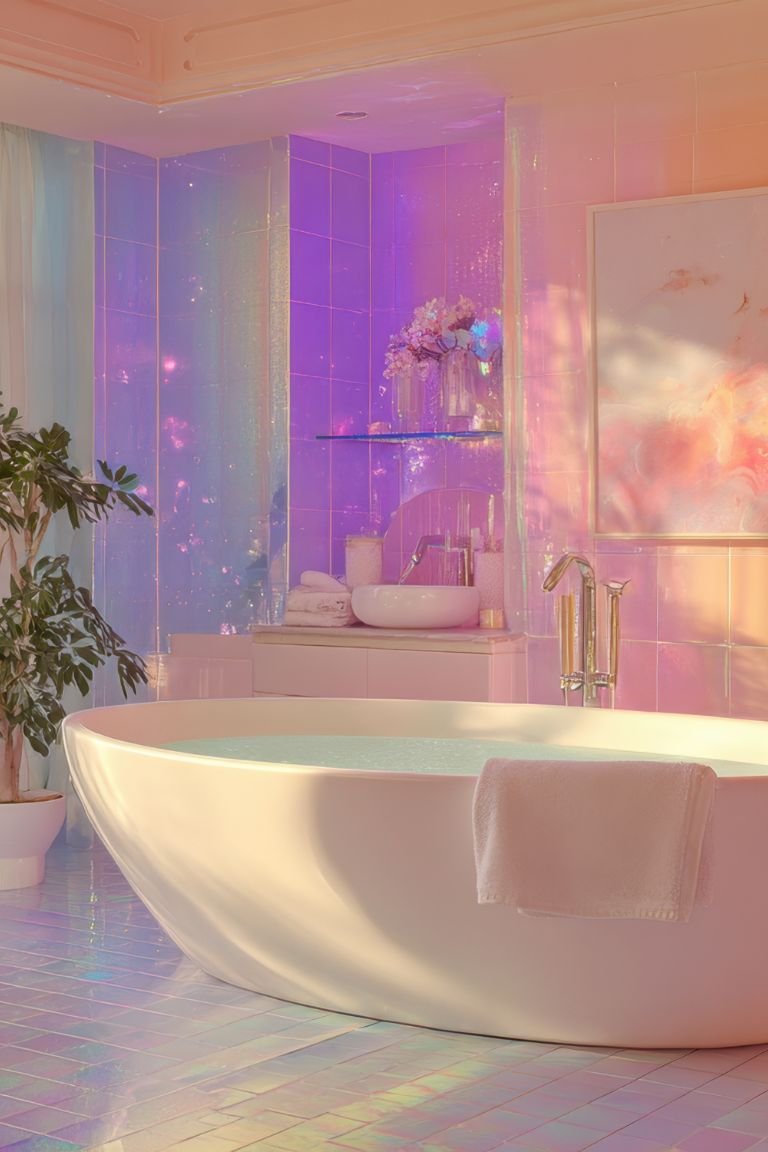
Create a spa-like bathroom at home not by copying magazine images, but by designing with intention. A spa doesn’t just look calm — it feels calm. It supports rest, quiet routines, and thoughtful self-care. That same feeling is achievable in your own bathroom when you focus on design principles that consider mood, materials, sensory comfort, and function.
If you haven’t already read How to Plan a Bathroom Renovation Without Feeling Overwhelmed, that’s a great first step before elevating your design. And if storage is a challenge, our small bathroom design post has practical tips for compact spaces. For proper lighting that enhances mood and function, see our lighting guide.
Spa-like design isn’t about luxury products — it’s about creating calm sensory sequences, balanced materials, and a soothing environment that supports your daily use.
What Makes a Bathroom Feel Spa-Like?
At its core, a spa environment balances visual calm, tactile comfort, and functionality. A space can look beautiful but still feel colder or more stressful if it doesn’t support how you move through it, how you touch surfaces, or how it responds to sound and light.
Spa design includes thoughtful lighting, warm natural materials, quiet acoustics, streamlined storage, and textures that feel good underfoot and sight.
1. Prioritize Soft, Layered Lighting
Lighting sets mood more than any other single design element. While general illumination ensures you can see what you’re doing, layered lighting creates depth and tranquility.
Consider three key layers:
- Ambient lighting — gentle overall illumination.
- Task lighting — focused light at mirrors for grooming.
- Accent lighting — soft glow under shelves or near niches for ambience.
| Layer | Effect |
|---|---|
| Ambient | Creates a warm, even glow across the space |
| Task | Makes grooming easier without shadows |
| Accent | Adds depth and calming vibe, especially useful in evenings |
Using dimmers and warm LED temperatures between 2700K and 3000K helps avoid harsh contrasts and supports a softer, restorative environment, especially for nighttime routines.
2. Warm, Natural Materials That Feel Grounded
Spa environments balance sophistication with grounded materials that feel tactile and real. Whites and bright colors can feel sterile if used alone, so pairing them with texture makes the design feel inviting.
Materials that support this feeling include natural wood (or wood-look finishes), matte stone, soft matte tiles, and woven accents such as baskets or hand towels.
| Material | Why It Works |
|---|---|
| Warm wood tones | Adds softness and comfort |
| Textured stone or matte tiles | Grounds the space without gloss glare |
| Woven linen or cotton | Offers tactile comfort and warmth |
These materials help balance visual harmony and the tactile experience — especially in a room visited multiple times per day.
3. Sensory Considerations Beyond Sight
Spa design isn’t just visual. It appeals to multiple senses:
- Sound: softer surfaces help control echo and create calm.
- Touch: smooth but warm materials feel better underfoot and at contact points.
- Scent: subtle aromatherapy, reed diffusers, or scented towels can elevate the experience.
Acoustic softness can often be overlooked in bathrooms, but it matters. Hard surfaces like tile and glass reflect sound — adding soft towels, bath mats, or even textured wall finishes can reduce harsh sound reflections and make the space feel more restful.
4. Smart Storage That Keeps Space Calm
Clutter immediately reduces the feeling of calm. In a spa-like bathroom, storage should be visually quiet and functional.
| Solution | Benefit |
|---|---|
| Recessed shelving | Clean lines, less visual clutter |
| Under-sink drawers | Hidden storage keeps counters clear |
| Towel hooks vs. bars | Creates more breathing room around walls |
Keeping surfaces clear and organizing essentials behind closed fronts supports both functionality and serenity.
5. Thoughtful Color Palette Choices
Color influences perception more than many designers realize. Too bright or high-contrast palettes can make a small bathroom feel smaller or more chaotic. Instead, spa environments usually favor softer, more unified tones that calm the eye and promote continuity.
- Warm neutrals like beige, soft greige, and warm whites
- Accent earth tones like muted greens or sandy taupes
- Low-contrast tile transitions that elongate sight lines
These palettes feel intentional and support a relaxing vibe that doesn’t fatigue the eyes.
6. Functional Layout That Feels Calm During Use
A spa vibe isn’t achieved with good looks alone — how the bathroom works on a daily level matters just as much. Space planning should support ease of use and comfortable movement.
In smaller bathrooms, you might refer back to our small bathroom design ideas post for layout tips. In larger bathrooms, consider separate zones for showering, soaking, and grooming. Dividing the space into intentional zones helps create a balanced rhythm.
Final Thoughts
Creating a spa-like bathroom at home isn’t about copying trendy looks or buying the most expensive products. It’s about designing with purpose — prioritizing how each choice supports comfort, rest, and everyday use.
Thoughtful lighting, grounded materials, multi-sensory design, smart storage, and harmonious color palettes all come together to create a space that feels calm, welcoming, and genuinely restorative.
By focusing on these principles rather than fleeting trends, your bathroom becomes a space that supports both functionality and wellbeing for years to come.