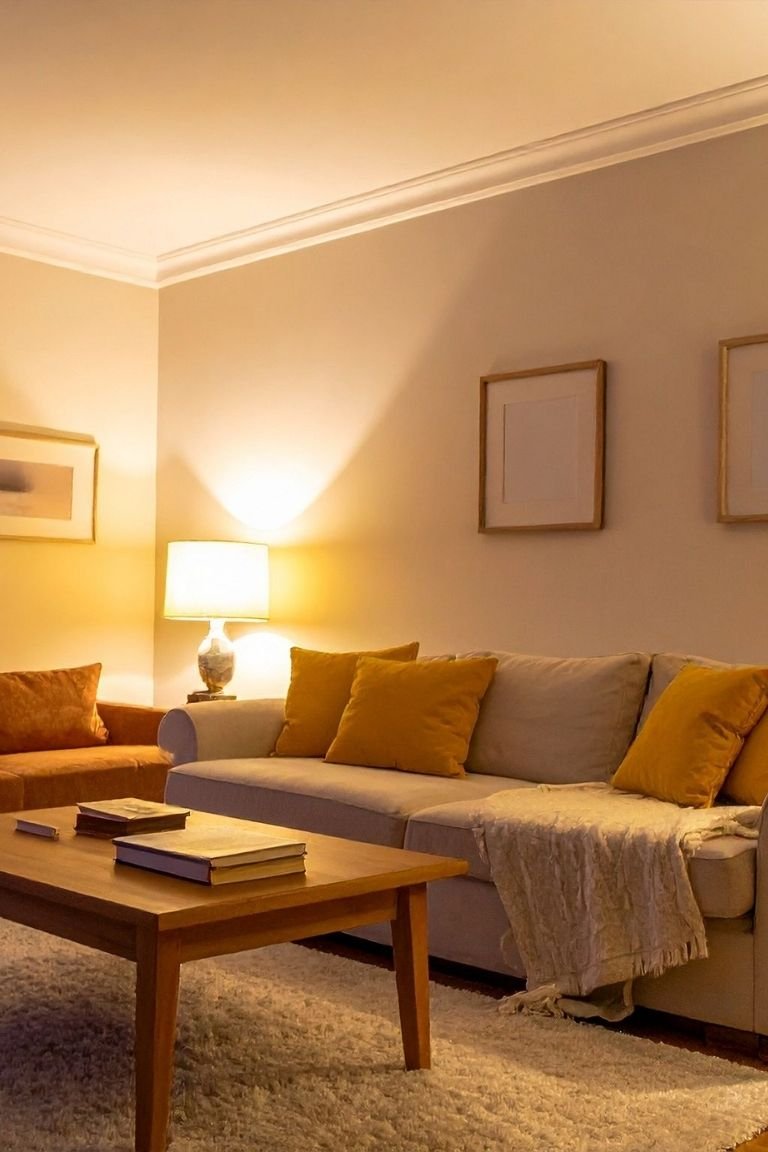
Lighting is one of the most powerful yet under-utilized tools in living room design. The way a space is illuminated affects mood, perceived size, comfort, and how you use the room throughout the day. Good lighting goes beyond a single overhead fixture — it blends ambient, task, and accent lighting to support both function and atmosphere.
If you haven’t yet explored how storage supports calm living spaces, revisit Living Room Storage Solutions That Keep the Space Calm for storage ideas that work hand-in-hand with lighting to enhance comfort and clarity.
Why Lighting Matters in the Living Room
Living rooms serve many purposes: reading, relaxing, watching TV, socializing, and sometimes working. The lighting that works for one activity won’t always work for another — so flexibility is key.
Thoughtful lighting can:
- Enhance visual comfort for tasks like reading
- Create a relaxed environment for evenings
- Make spaces feel larger or more intimate
- Highlight architectural details or decor
A well-lit living room feels warm, comfortable, and balanced — not harsh or flat.
Layer Your Lighting for Balance
The most functional and inviting living rooms use a combination of light layers. Each layer serves a different purpose:
- Ambient lighting — general illumination for the entire room
- Task lighting — focused light for specific activities
- Accent lighting — soft lighting that enhances mood and highlights details
Layered lighting lets you adapt the room’s feel from bright and energetic to soft and relaxing without dramatic changes.
Ambient Lighting: The Foundation
Ambient lighting provides overall illumination so the room doesn’t feel dark or uneven. This is usually the starting point for any lighting plan.
Common ambient lighting options include:
- Ceiling-mounted lights or flush fixtures
- Recessed downlights
- Track lighting with adjustable heads
For living rooms, warm bulbs (around 2700K–3000K) are often best because they produce a soft, cozy glow that enhances relaxation.
Task Lighting: Illumination Where You Need It Most
Task lighting supports activities like reading, working on a laptop, or crafting. Without it, areas of the room can feel too dim or overly reliant on bright ambient light.
- Floor lamps next to seating areas
- Table lamps near reading or lounging spots
- Adjustable wall sconces for directional focus
Task lighting should be bright enough to support detail-oriented activities — but warm in tone so it doesn’t feel stark.
Accent Lighting: Creating Ambience and Interest
Accent lighting adds depth and visual interest by highlighting architectural features, artwork, or textured surfaces.
Accent lighting strategies include:
- LED strip lighting behind shelving or entertainment units
- Picture or spotlighting for artwork
- Backlighting behind mirrors or textured walls
Accent lights tend to be soft and directional. They don’t illuminate large areas — instead, they create points of interest and warmth.
Use Dimmers for Everyday Flexibility
Installing dimmer switches is one of the easiest ways to enhance living room lighting without big changes. Dimmers let you adjust brightness so the room feels bright and energizing during the day and soft and calming at night.
- Lower light levels for evening relaxation
- Increase brightness for reading or gatherings
- Create mood layering for movies or dinners
With dimmers, you don’t need separate fixtures for every activity — one set of lights can perform many roles.
Consider Natural Light as Part of Your Plan
Natural light has a huge influence on how a living room feels. Windows not only bring brightness but also connect the space to the outdoors.
Maximize natural light by:
- Using sheer or light-filtering curtains that soften light without blocking it
- Keeping furniture away from windows so light isn’t obstructed
- Using light, reflective surfaces that bounce daylight deeper into the room
Layering artificial light around natural light sources creates consistency from day to night.
Balance Warmth and Visibility
Color temperature matters. Warm tones feel cozy and inviting, while cooler tones can make a room feel brighter and more energetic. In living rooms, a warm palette usually enhances comfort and calm.
| Color Temperature | Feel | Best Used For |
|---|---|---|
| 2700K–3000K | Warm, cozy | Ambient + accent lighting |
| 3000K–3500K | Neutral, balanced | Task lighting |
Warm lighting supports relaxation and social moments — critical in living rooms where comfort matters.
Choose Fixtures That Complement the Room’s Style
Lighting fixtures are both functional and decorative. Choosing fixtures that align with your living room’s style helps unify the space.
- Statement pendant lights for modern and transitional rooms
- Sleek floor and table lamps for cozy reading nooks
- Recessed fixtures for minimalistic layouts
When fixtures feel intentional — not afterthoughts — they contribute to both style and ambience.
Place Lights to Avoid Glare and Shadows
Poorly placed lighting can create visual discomfort through harsh shadows or glare. When planning lighting:
- Avoid placing bright light directly above screens
- Position task lights to eliminate shadows on reading zones
- Diffuse light with shades when possible
Good placement makes both function and ambience feel effortless.
Final Thoughts
Living room lighting that combines ambience and function elevates both comfort and everyday use. Layered lighting supports activities like reading and socializing while creating a warm, welcoming atmosphere for evening relaxation or gatherings.
Whether through thoughtfully chosen fixtures, dimmers, or a mix of lighting layers, a well-lit living room feels intentional, flexible, and truly inviting — a space where life feels comfortable and calm.