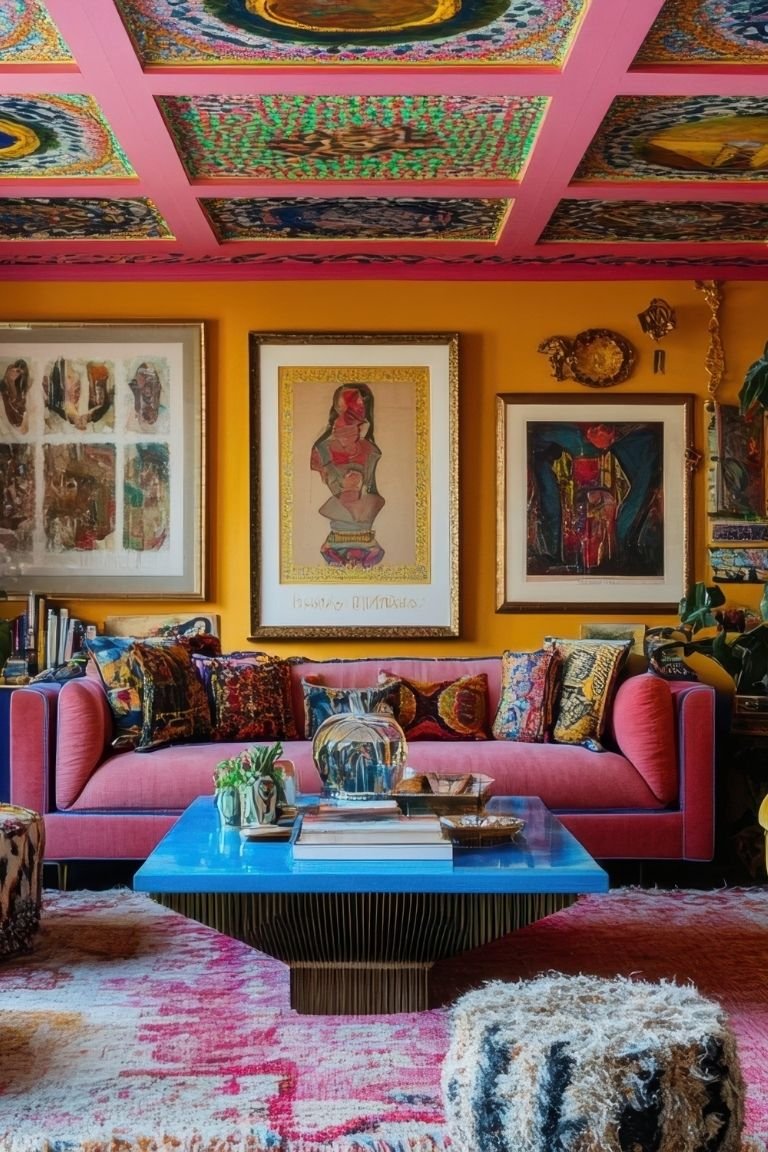
The way furniture and elements are arranged in a living room impacts how you use the space every day. A great layout doesn’t just look good on paper — it feels intuitive, comfortable, and inviting in real life.
Whether you’re hosting conversation or enjoying quiet evenings, living room layout determines how people move, interact, and feel within the space. Thoughtful layout boosts comfort, supports social connection, and makes routines feel natural instead of awkward.
If you’re starting to think about the broader feel of your living room, you may want to revisit Living Room Design Ideas That Make the Space Feel Comfortable and Inviting for foundational design inspiration.
Why Layout Matters More Than You Might Think
Layout affects how we experience space over the long term. It influences:
- How people enter and move through the room
- How easy it is to engage in conversation
- Where eyes are naturally drawn
- How comfortable people feel sitting or relaxing
A well-laid-out living room supports comfort and connection instead of creating barriers between people or activities.
Define Zones for Different Activities
Even in open floor plans, defining zones helps the room feel intentional and organized. Zones guide movement and suggest how the space is meant to be used.
- Conversation Zone — Seating grouped toward the center or around a focal point
- Media Zone — TV or screen positioned for comfortable viewing
- Reading Nook — A chair and lamp in a calm corner
- Multi-Use Spaces — Flexible areas for homework, crafts, or games
When zones are clear, people know where to sit, talk, relax, or focus — lending the room a sense of purpose and calm.
Arrange Seating to Encourage Conversation
A living room that feels social doesn’t arrange all seating in rigid rows or line furniture up against walls. Instead, place furniture so people can face each other comfortably.
Consider these seating arrangements:
- A U-shape or circular grouping around a coffee table
- Twin chairs facing a sofa
- Separated seating with small side tables for drinks
Such arrangements bring people closer and reduce the need to twist or turn awkwardly during conversations, making gatherings feel more relaxed and natural.
Account for Traffic Flow and Entry Points
How people enter and move through the room affects how comfortable it feels overall. You don’t want main pathways to cut through seating zones or traffic patterns that feel congested.
- Leave clear space between entry points and core seating areas
- Avoid placing large furniture where it blocks natural movement
- Maintain at least 30-36 inches of walking space where possible
Clear pathways make the living room feel larger and reduce physical interruptions to conversations.
Consider the Focal Point
Every well-designed living room has a central focus. It could be a fireplace, a TV, a large window, or a striking piece of art. Your layout should complement this focal point, not compete with it.
For example:
- Sofas and chairs facing the focal point
- Area rugs anchoring a central zone
- Lighting that highlights seating and key features
A clear focal point gives the room purpose and helps organize the seating and traffic flow naturally.
Balance Comfort and Sightlines
Comfort isn’t just physical; it’s visual. Sightlines — the paths your eyes take through a room — influence how calm or cluttered a space feels. Obstructed sightlines make a room feel busy, while open sightlines feel lighter and more welcoming.
- Keep taller furniture toward the back or sides of zones
- Use low or transparent furniture to maintain openness
- Avoid placing large objects directly in front of windows or key architectural features
Clear sightlines make a space feel calmer, larger, and more harmonious.
Make Breathe Space Around Groupings
Negative space — the areas left intentionally empty — plays a powerful role in comfort and perception. A tightly packed room can feel cramped, even if it’s large. Leaving space between furniture groupings helps the room feel breathable and calm.
- Allow space around seating groups
- Avoid overfilling the room with furniture
- Create visual pauses with empty niches or art placement
Empty space doesn’t mean unused space — it means thoughtful space that supports comfort and flow.
Use Rugs to Anchor Conversation Areas
Area rugs help define zones and bring visual cohesion to seating groups. The right rug should be large enough for at least the front legs of sofas or chairs to sit on it, making the conversation zone feel anchored and intentional.
- Choose neutral or soft patterns that complement your palette
- Match rug size to seating grouping rather than to the room size
- Use texture to add warmth underfoot
A well-chosen rug enhances the space’s feel without overpowering it.
Balance Layered Lighting
Lighting plays a key role in comfort and interaction. A brightly lit room can feel energetic — ideal for morning gatherings — while softer lighting encourages evening relaxation.
A balanced lighting plan typically includes:
- Ambient lighting for overall illumination
- Task lighting near reading or seating areas
- Accent lighting to highlight architectural or decorative elements
Layered lighting supports different moods and encourages comfort for both conversation and quiet moments.
Think About Multi-Use Needs
Living rooms often serve multiple purposes: movie night, talks with friends, quiet reading, or even homework zones. A flexible layout accommodates different uses without compromising comfort.
- Include movable seating like ottomans or small chairs
- Use side tables that can shift with activities
- Reserve a corner for reading or quiet time
Flexibility helps the room feel lived in and welcoming rather than rigid and single-purpose.
Final Thoughts
Thoughtful living room layout makes the space feel comfortable and supports connection. When furniture placement respects sightlines, supports conversation, and allows for clear movement, daily routines and social moments feel more natural and relaxed.
By focusing on zones, focal points, traffic flow, and lighting, you create a room that not only looks beautiful but feels fundamentally comfortable — a place where people feel welcome, relaxed, and genuinely at ease.