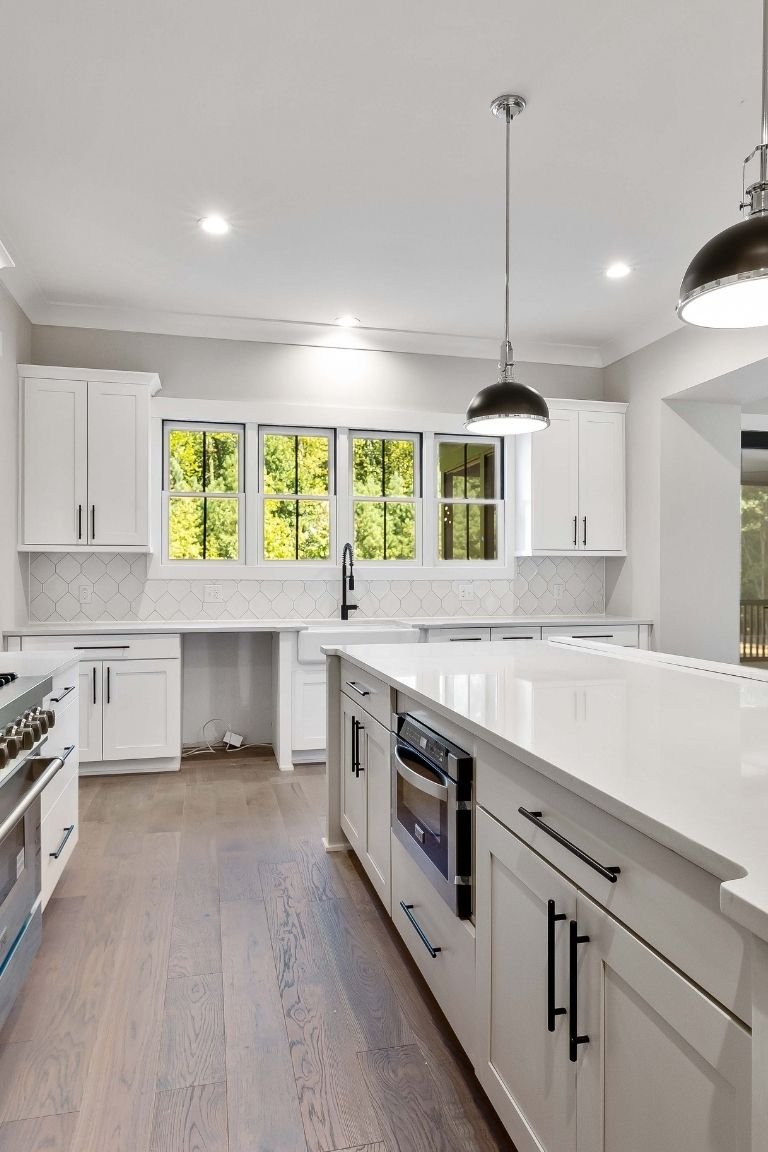
Cleaning up after cooking is one of the most frequent kitchen tasks — and the kitchen layout you choose can either make cleanup feel seamless or frustratingly awkward. Simple layout tweaks that consider how you move and use space help create a kitchen where cleanup feels almost automatic.
If you haven’t yet explored broader kitchen design fundamentals, check out Kitchen Design Ideas That Make Everyday Cooking Feel Easier and More Enjoyable for context on how layout and function work together.
Place the Sink Near the Prep Zone
One of the most impactful layout decisions is the placement of the sink in relation to the prep zone. When the sink is close to prep areas, cleanup becomes more intuitive — you don’t have to carry dirty tools across the kitchen.
- Locate the sink adjacent to prep counters
- Leave uninterrupted counter space between cutting boards and sink
- Ensure a clear path from fridge to sink for rinsing produce
This simple tweak reduces steps and keeps cleanup from interrupting your cooking rhythm.
Position the Dishwasher Near the Sink
Loading the dishwasher is more efficient when it’s close to where dishes are rinsed. This reduces drips and travel distance — especially helpful after meals when hands are full.
- Install the dishwasher next to or opposite the sink
- Ensure doors don’t block traffic paths when open
- Include a landing spot for dishes between sink and dishwasher
This layout tweak keeps cleanup streamlined and avoids unnecessary movement.
Create a Dedicated “Dirty Zone” for Used Items
Designating a specific area for dirty dishes and tools prevents clutter from spreading across counters. This can be as simple as counter space beside the sink or a small section near the dishwasher.
- Use a countertop or tray near the sink for stacking dirty dishes
- Position a small bin for scraps close to prep space
- Ensure drying space is near dishwashing zones
Having a clear home for mess before and during cleanup makes the task feel structured instead of chaotic.
Choose Counter Surfaces That Are Easy to Maintain
Cleanup is easier when surfaces don’t trap grime. While this touches on materials, it’s also a layout consideration — giving yourself enough clear workspace helps cleaning routines feel natural.
- Use smooth, non-porous surfaces for heavy-use counters
- Avoid seams or edges near prep zones that trap crumbs
- Maintain clear counter space near sinks for wipe-downs
Surfaces that are easy to wipe help maintain a tidy kitchen with minimal effort.
Create Clear Traffic Paths for Cleanup Flow
One of the biggest obstacles during cleanup is interrupting someone still cooking or walking through the kitchen. Clear traffic paths make movement predictable for everyone — reducing collisions and interruptions.
- Leave a clear line from prep zones to sink and dishwasher
- Avoid placing high-traffic zones next to cleanup zones
- Keep pathways at least 36” wide when possible
Kitchen traffic that respects cleanup paths feels more fluid and less stressful.
Include Accessible Trash and Recycling Stations
Trash and recycling should be easy to reach from both prep and cleanup areas. When waste bins are hidden but accessible, they support a calmer workflow.
- Install pull-out trash/recycling near the sink or prep zone
- Keep compost or food scrap containers within reach
- Use bins with lids to contain odors
This reduces the need to carry waste around the kitchen mid-cleanup.
Adjust Counter Heights for Comfortable Tasks
Comfort matters during cleanup, especially when washing or drying for longer periods. Counter heights that are too low or too high can make these tasks uncomfortable — prompting shortcuts or rushing.
- Match counter heights to your body mechanics for comfort
- Lower sections near sinks or dishwashers make washing easier
- Consider step stools for higher storage instead of higher counters
Comfortable surfaces make cleanup feel more effortless over time.
Use Islands or Peninsulas as Multi-Task Helpers
Islands and peninsulas can support cleanup when configured thoughtfully. Positioning them near sinks or prep zones creates additional staging space for rinsing, drying, and stacking.
- Leave at least 42–48” of clearance around islands
- Use island surfaces to stage washed dishes temporarily
- Choose islands with storage for dish towels and cleaning supplies
This secondary space reduces crowding at the sink and helps multiple people work in the kitchen without bumping into each other.
Store Cleaning Supplies Within Reach
Cleanup becomes easier when cleaning supplies are stored where they’re needed most — near the sink or dishwasher.
- Use under-sink storage for soaps and cloths
- Install shelves or hooks just inside cabinets for sponges and towels
- Avoid long searches for supplies during cleanup
When everything needed for cleanup is nearby, the task becomes faster and less disruptive.
Think in Zones That Support Both Use and Cleanup
Zones aren’t just for prep and cooking — they can also guide cleanup routines. When work zones transition smoothly into cleanup zones, the entire process feels intuitive.
- Keep similar tools and utensils close together
- Connect the cooking zone with easy access to the cleanup zone
- Design storage and workflow so cleanup follows logically from cooking
This reduces backtracking and makes the kitchen feel more supportive of daily life.
Final Thoughts
Small tweaks to your kitchen layout can make cleanup feel far less stressful and far more efficient. Whether it’s aligning sinks with prep zones, creating defined dirty zones, or improving traffic paths, thoughtful layout decisions help cleanup flow naturally with daily routines.
Intentional organization and layout not only improve how cleaning feels — they elevate the kitchen into a space that supports both function and calm every day.