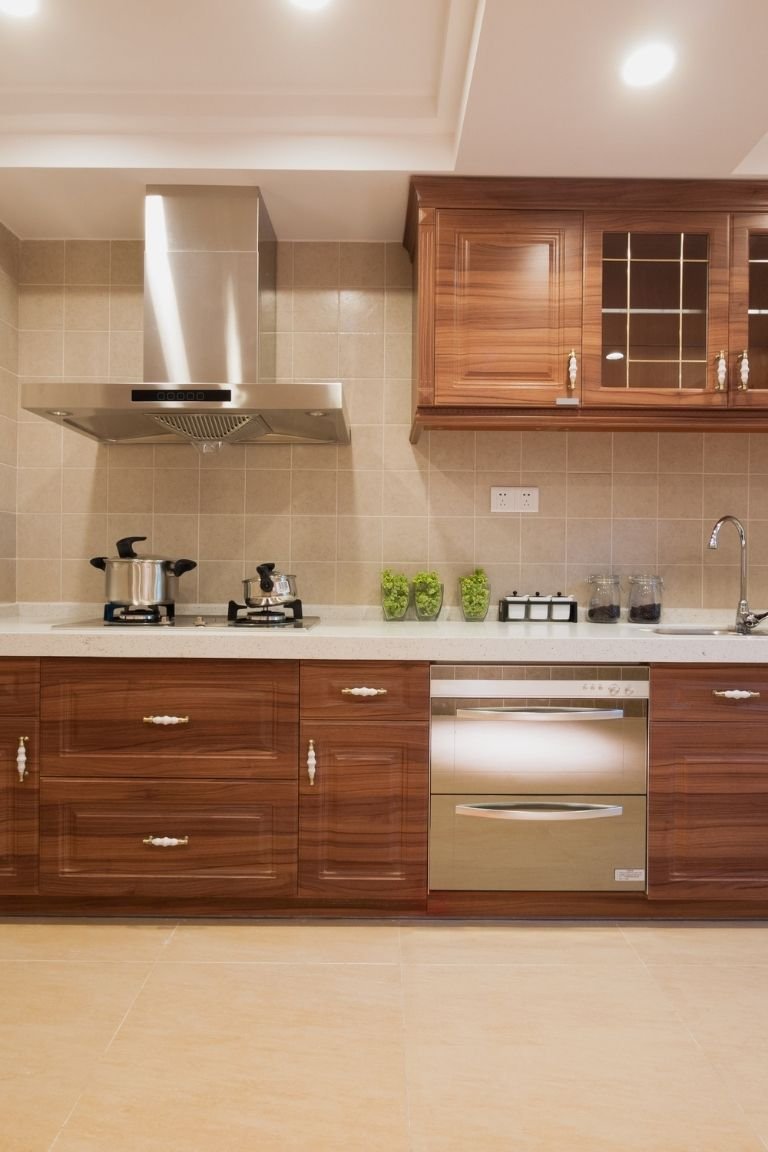
A well-organized kitchen makes everyday cooking feel effortless. Organization isn’t just about neatness — it’s about aligning storage and layout with how you actually use your space. When everything has a logical home and is easy to reach, daily routines feel smoother and less stressful.
If you haven’t yet explored broader design ideas, Kitchen Design Ideas That Make Everyday Cooking Feel Easier and More Enjoyable is a great primer on how function and layout influence daily life.
Why Organization Matters in the Kitchen
When a kitchen is disorganized, even simple tasks can feel frustrating. You might find yourself hunting for tools, constantly moving items around, or working around cluttered counters. Good organization changes this dynamic — things are intuitive, easy to find, and supported by thoughtful zones and storage.
Well-organized kitchens reduce decision fatigue, support flow, and make daily tasks feel easier. That’s why organization should be considered part of functional kitchen design, not just an afterthought.
Create Clear Work Zones
Kitchen efficiency begins with zones. Zones are areas defined by specific tasks, so tools and ingredients naturally align with how you work.
| Zone | Purpose | Items to Store Nearby |
|---|---|---|
| Prep Zone | Chopping and mixing | Knives, cutting boards, mixing bowls |
| Cooking Zone | Stove and oven work | Spatulas, pots, seasonings |
| Cleaning Zone | Washing dishes | Dish soap, scrubbers, drying racks |
| Storage Zone | Dry goods and dishware | Pantry items, plates, glasses |
When zones are clear and supported by nearby storage, you reduce unnecessary steps and ease the flow of daily routines.
Organize Drawers and Cabinets by Function
Many kitchens underutilize drawers and cabinets, storing items arbitrarily instead of purposefully.
- Use top drawers for utensils and frequently used tools
- Assign lower drawers for heavier items like pots and pans
- Group similar items together (e.g., baking tools, measuring cups)
Drawer dividers, inserts, and adjustable shelves help keep everything visible and easy to retrieve. When the container fits the content, you spend less time searching and more time cooking.
Use Vertical Storage to Your Advantage
Counters and horizontal surfaces are limited; vertical space is often underused. Vertical organization helps keep essential items within reach while preserving usable counter space.
- Wall-mounted racks for pots and pans
- Magnetic strips for knives and metal tools
- Tiered shelving inside cabinets
Vertical storage not only increases efficiency but also helps counters stay clear — supporting the calm design principles explored in Kitchen Storage Ideas That Keep Counters Clear and Stress Low.
Designate “Landing Zones” for Every Task
Landing zones are specific areas where tasks begin or end. They prevent clutter from accumulating in the wrong places.
- A place near the fridge for unpacking groceries
- A landing spot near the stove for seasoning and utensils
- An area near the sink for dirty dishes
By creating landing zones, you assign purpose to every square inch and make routines — like unloading, prepping, or cleaning — feel intentional instead of haphazard.
Keep Everyday Items Accessible
Items you use most often — coffee mugs, cutting boards, everyday plates — should be stored at eye level or within easy reach. Lesser-used items can live in higher or deeper cabinets.
This principle supports both efficiency and comfort: you reach less often for frequently used tools and don’t disrupt clean surfaces or storage fronts for occasional use items.
Use Clear Containers for Pantry and Dry Storage
Pantry organization makes a huge difference in everyday efficiency. Clear, labeled containers help you see what you have and reduce the risk of expired or lost ingredients.
- Group similar items (grains, baking supplies, snacks)
- Use uniform containers for a cohesive, calm look
- Label everything clearly
Clear containers reduce guesswork and make meal prep smoother — especially when time is limited.
Corral Small Items With Trays and Baskets
Small items like spice jars, bottle openers, and small gadgets can quickly clutter countertops or drawer bottoms. Trays and baskets create visual order and make items easier to lift and relocate during cleanup.
- Use trays for oils and oils near the stove
- Baskets for napkins or random tools in pantry shelves
- Small bins inside drawers for grouped utensils
Corralling small items helps maintain clean surfaces while supporting quick access.
Rotate Seasonal Equipment and Items
Seasonal or rarely used appliances — slow cookers, waffle irons, specialty pans — don’t need to live in prime kitchen real estate. Store them in less accessible spaces and rotate them when needed.
- Label boxes or shelves
- Keep seasonal items grouped
- Access them via higher cabinets or pantry corners
This keeps everyday spaces optimized while still making occasional tools easy to find.
Keep Counters Purposefully Clear
Though organization happens everywhere, countertops deserve special attention. When counters are clear, work surfaces feel intuitive and less stressful.
- Only keep daily essentials on counters
- Store appliances in cabinets when not in use
- Use under-cabinet zones for lighting, not storage clutter
This approach supports the calm and inviting kitchen environment described in Kitchen Colors and Finishes That Make the Space Feel Calm and Inviting.
Final Thoughts
Organizing a kitchen for everyday efficiency isn’t about perfection — it’s about thoughtful alignment between how you work and where things live. When storage, zones, and access all support practical use, kitchen routines become smoother and more comfortable.
With intentional organization, your kitchen feels calmer, more efficient, and genuinely easier to use — helping everyday tasks feel less like chores and more like second nature.