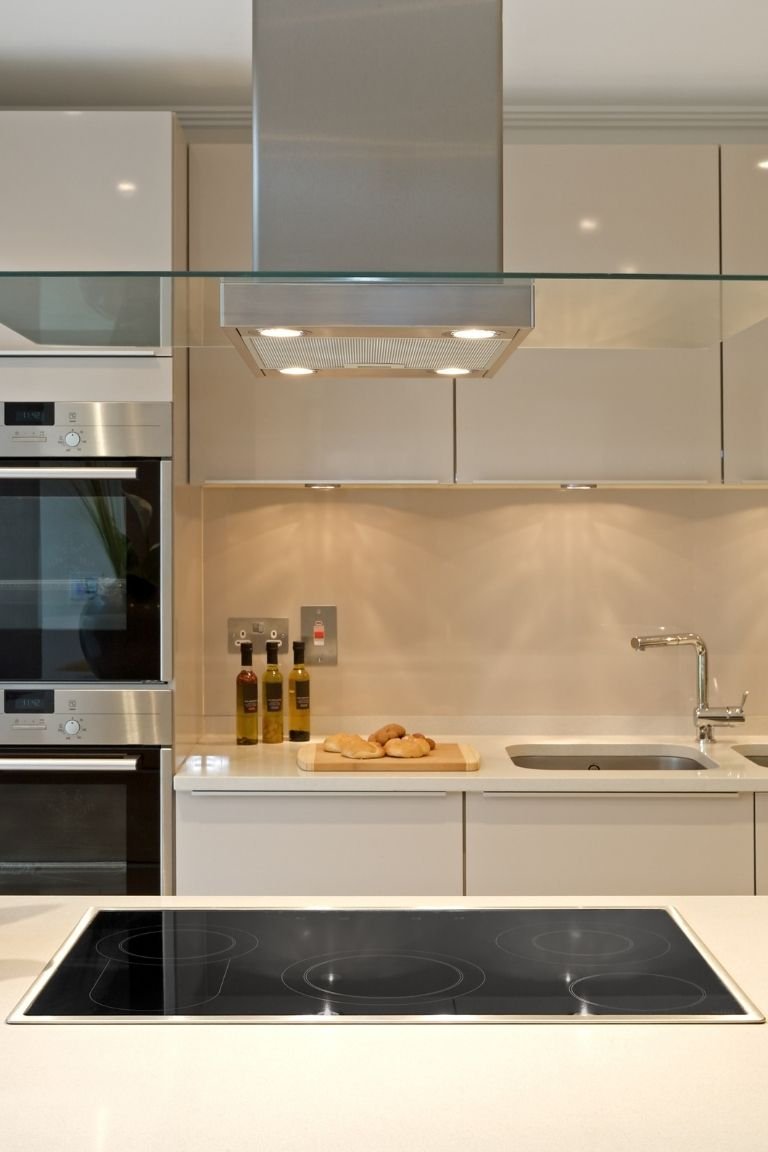
The kitchen is one of the most used spaces in the home, yet it’s often designed with appearance in mind before everyday function. While a beautiful kitchen is important, a kitchen that works well makes a bigger difference to daily life.
Thoughtful kitchen design supports cooking, cleaning, storage, and movement — helping routines feel smoother and more enjoyable. When the kitchen is easy to use, it becomes a place people naturally gather rather than a space that feels chaotic or frustrating.
Below, we explore kitchen design ideas that focus on comfort, efficiency, and ease — creating a kitchen that feels good to use every single day.
Why Kitchen Design Impacts Daily Life
The kitchen plays many roles. It’s where meals are prepared, conversations happen, and routines begin and end. Poor design can interrupt these moments, while good design quietly supports them.
A well-planned kitchen:
- Reduces unnecessary movement
- Makes storage intuitive
- Supports multiple users
- Feels calm rather than cluttered
These qualities matter far more in daily life than following short-lived design trends.
Start With a Layout That Supports Flow
Kitchen layout is the foundation of functionality. How appliances, counters, and walkways are arranged determines how comfortable the space feels.
Effective kitchen layouts typically prioritize:
- Clear pathways between work zones
- Logical placement of appliances
- A balance between open space and storage
Whether your kitchen is large or compact, flow matters. Crowded layouts can make even simple tasks feel stressful, while open, intuitive layouts allow movement to feel effortless.
Define Work Zones Instead of One Long Workspace
Breaking the kitchen into functional zones helps tasks feel more organized and less overwhelming.
Common kitchen zones include:
- Preparation zone: Counter space near the sink
- Cooking zone: Stove, oven, and nearby surfaces
- Cleaning zone: Sink, dishwasher, and waste
- Storage zone: Pantry, cabinets, and refrigerator
When each zone is clearly defined, daily cooking feels more intuitive and less rushed.
Counter Space Matters More Than You Think
A lack of usable counter space is one of the most common frustrations in kitchens. Even a well-equipped kitchen can feel impractical if surfaces are too limited or poorly positioned.
To improve counter usability:
- Prioritize uninterrupted work surfaces
- Avoid filling every inch with appliances
- Use vertical storage to free up counters
Clear counters contribute to both function and visual calm.
Storage That Matches How You Cook
Good kitchen storage is less about having more cabinets and more about storing items where you naturally use them.
Thoughtful storage includes:
- Drawers near prep areas for utensils
- Pan storage near the stove
- Dish storage close to the dishwasher
- Pantry items within easy reach
When storage aligns with habits, cooking becomes faster and more enjoyable — and cleanup feels less like a chore.
Lighting That Supports Tasks and Atmosphere
Lighting affects how safe, comfortable, and pleasant the kitchen feels. Poor lighting can make food prep harder and strain the eyes, while good lighting improves both function and mood.
Effective kitchen lighting usually includes:
- Ambient lighting: Overall illumination
- Task lighting: Under-cabinet or focused lighting for prep areas
- Accent lighting: Subtle lighting for atmosphere
Layered lighting allows the kitchen to feel energetic during the day and relaxed in the evening.
Choose Materials That Are Easy to Live With
Kitchen surfaces need to handle daily wear. Materials should be durable, easy to clean, and forgiving of spills and marks.
When choosing finishes, consider:
- Countertops that resist staining and scratches
- Cabinet finishes that conceal fingerprints
- Flooring that’s comfortable underfoot
Materials that age well reduce maintenance stress and help the kitchen feel welcoming rather than precious.
Create a Sense of Calm Through Simplicity
Busy kitchens can feel overwhelming, especially during meal prep. Visual simplicity helps reduce stress and makes the space easier to use.
To keep the kitchen feeling calm:
- Limit open shelving to a few curated items
- Use concealed storage where possible
- Choose cohesive finishes and colors
A calm kitchen doesn’t have to be minimal — it just needs intentional design.
Design for Real Life, Not Just Appearances
The best kitchens reflect how people actually live. If the kitchen supports quick breakfasts, relaxed dinners, and easy cleanup, it naturally becomes a more enjoyable place.
Design decisions should be guided by:
- How often you cook
- How many people use the space
- Whether the kitchen doubles as a gathering area
When the kitchen works for daily life, it feels comfortable, welcoming, and efficient — not just attractive.
Final Thoughts
Kitchen design that makes everyday cooking easier and more enjoyable focuses on flow, storage, lighting, and materials that support real routines.
When layout feels intuitive, storage is accessible, and the space stays visually calm, cooking becomes less of a task and more of a pleasure. A thoughtfully designed kitchen doesn’t just look good — it supports daily life in meaningful ways.