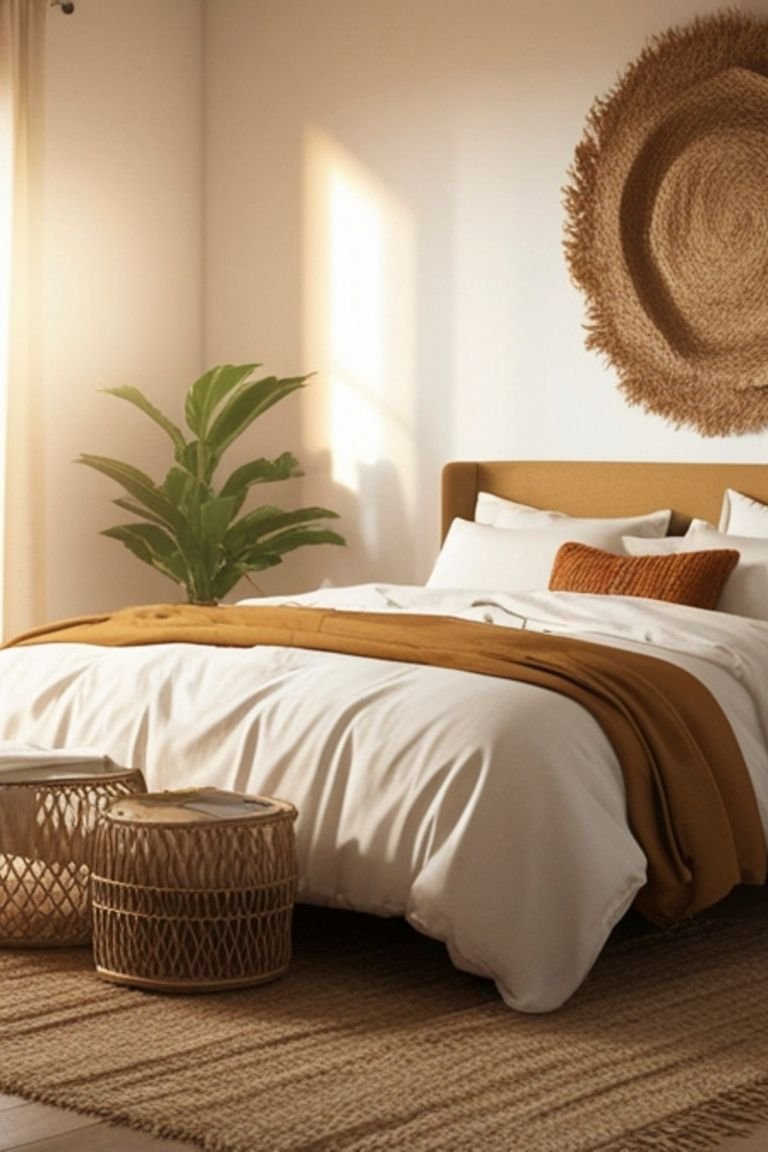
Bedroom furniture does more than fill a space — it shapes how the room feels and how well it supports rest. The wrong furniture can make a bedroom feel cluttered, awkward, or overstimulating, while the right pieces create balance, comfort, and visual calm.
Choosing bedroom furniture that feels both restful and stylish is about proportion, material, layout, and restraint — not matching sets or chasing trends. When furniture works with the room rather than competing for attention, the bedroom becomes a place where it’s easier to unwind.
If you’re thinking about the bedroom as a whole, it may help to revisit Bedroom Design Ideas That Promote Better Sleep and Relaxation to understand how environment affects rest.
Start With the Bed as the Anchor
The bed is the emotional and visual center of the bedroom. Its size, height, and design set the tone for the entire space.
When choosing a bed frame, consider:
- Proportion — the bed should suit the size of the room
- Visual weight — bulky frames can overwhelm small spaces
- Comfort — headboards should support sitting and reading
Upholstered or softly finished headboards tend to feel more restful than hard, ornate frames. They add texture without visual noise and support a sense of comfort.
Prioritize Scale and Proportion
One of the most common bedroom furniture mistakes is choosing pieces that are too large or too small for the room. Oversized furniture can make a bedroom feel cramped, while undersized pieces can feel temporary or ungrounded.
To get proportions right:
- Leave walking space around the bed
- Choose nightstands that align with mattress height
- Avoid filling every wall with furniture
Negative space — the areas left intentionally empty — plays an important role in creating calm.
Choose Materials That Feel Warm and Grounded
Material choice affects how furniture feels both visually and emotionally. In bedrooms, warmer and softer materials tend to promote relaxation more effectively than highly reflective or cold finishes.
Materials that work well in restful bedrooms include:
- Wood or wood-look finishes
- Upholstered or padded surfaces
- Matte or softly textured finishes
These materials absorb light gently and add warmth, supporting the calm palettes discussed in Choosing Bedroom Colors That Feel Warm and Restful.
Nightstands: Functional but Uncluttered
Nightstands are used daily, so they should balance practicality with visual simplicity.
Look for nightstands that offer:
- At least one drawer to hide small items
- A surface large enough for a lamp and essentials
- A style that complements the bed without overpowering it
Matching nightstands are not required. Complementary pieces in similar tones can feel more relaxed and personal.
Storage Furniture That Supports Calm
Storage furniture should make it easier to keep surfaces clear — not add visual bulk. Dressers, wardrobes, and benches work best when they feel integrated into the room.
Consider:
- Low-profile dressers that don’t dominate walls
- Furniture with clean lines and concealed storage
- Multi-functional pieces like storage benches
For more on keeping the bedroom visually calm, see Bedroom Storage Ideas That Keep the Space Calm and Uncluttered.
Mix, Don’t Match, for a Softer Look
Perfectly matching bedroom furniture sets can sometimes feel rigid or dated. Mixing pieces with similar tones or materials often feels more natural and restful.
Ways to mix furniture successfully:
- Keep finishes within the same warm family
- Vary shapes slightly for interest
- Repeat materials to create cohesion
This approach creates visual interest without overwhelming the space.
Keep Furniture Lines Simple
In bedrooms, simpler furniture silhouettes usually feel calmer than ornate or heavily detailed pieces. Clean lines, gentle curves, and minimal ornamentation help reduce visual stimulation.
This doesn’t mean furniture has to feel plain — subtle detailing, texture, or craftsmanship can add depth without distraction.
Think About How Furniture Supports Daily Routines
Furniture should support how you actually use the bedroom — not just how it looks.
- Is there a place to sit while getting dressed?
- Is storage easy to access?
- Does the layout feel intuitive in the morning and at night?
When furniture aligns with daily routines, the bedroom feels more comfortable and less stressful.
Let Furniture Work With Lighting
Furniture placement affects how light moves through the room. Tall or bulky pieces can block natural light or create shadows if placed poorly.
Coordinate furniture choices with your lighting plan, especially if you’ve implemented layered lighting as discussed in Bedroom Lighting Ideas for Restful Nights and Easy Mornings.
A balanced relationship between furniture and light enhances both comfort and atmosphere.
Final Thoughts
Choosing bedroom furniture that feels restful and stylish is about thoughtful balance. When scale, materials, layout, and function work together, furniture fades into the background — supporting comfort rather than demanding attention.
By prioritizing calm proportions, warm materials, and practical design, you create a bedroom that feels cohesive, welcoming, and genuinely restful — a space designed for living well, not just looking good.