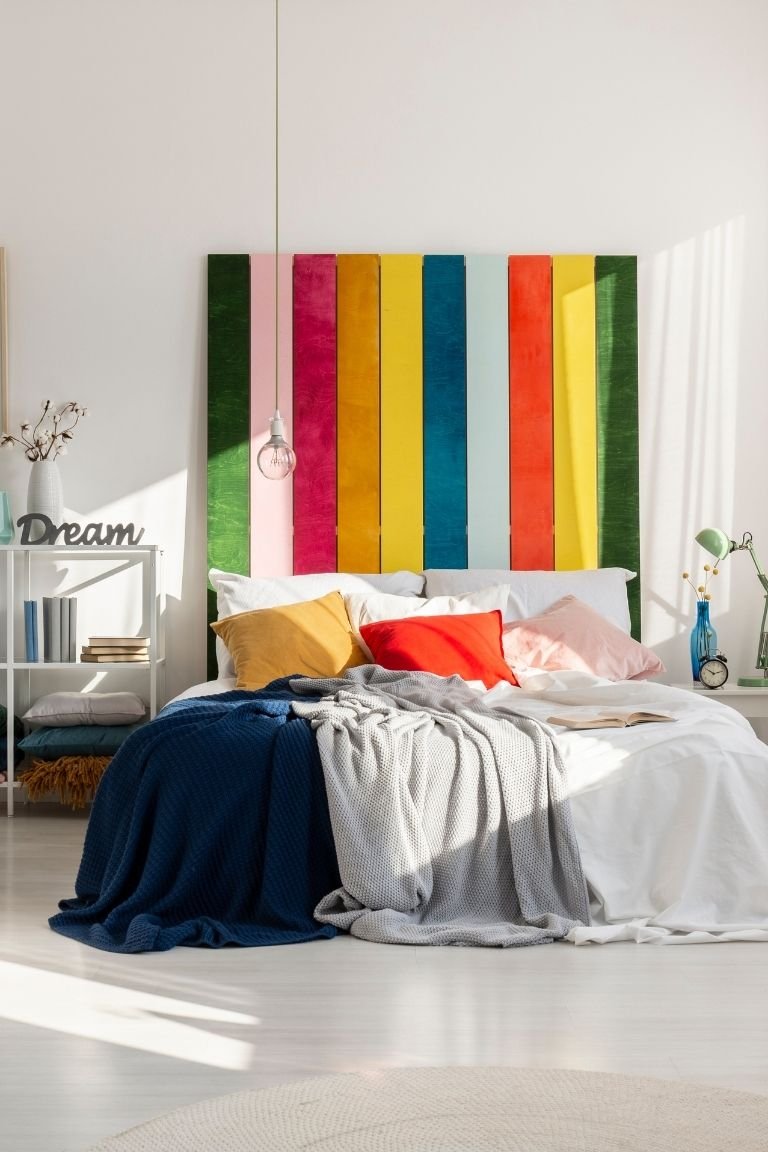
Color is one of the most influential elements in bedroom design. It affects mood, perceived warmth, and how easily your mind and body can relax at the end of the day. Choosing bedroom colors that feel warm and restful isn’t about following trends — it’s about creating an environment that supports comfort and calm.
While bold colors can energize a space, bedrooms benefit from softer tones that reduce stimulation and encourage rest. When paired with thoughtful lighting and texture, the right color palette can make a bedroom feel soothing without being bland.
If you’re building a calm bedroom from the ground up, you may find it helpful to revisit Bedroom Design Ideas That Promote Better Sleep and Relaxation, which explores how environment impacts rest.
Why Color Matters in the Bedroom
Color influences how we emotionally experience a space. In bedrooms, overly bright or high-contrast colors can increase alertness, while softer, warmer hues signal safety and rest.
A well-chosen color palette can:
- Make the room feel warmer and more inviting
- Reduce visual stress
- Create a sense of cohesion and calm
- Support sleep and relaxation
The goal isn’t to drain the room of personality, but to choose colors that work quietly in the background.
Warm Neutrals: A Timeless Foundation
Warm neutrals are one of the most reliable choices for bedrooms. They create softness without feeling cold or stark, and they adapt easily to changing decor.
Popular warm neutral options include:
- Warm white and off-white
- Soft beige or sand tones
- Greige (a blend of gray and beige)
- Muted taupe
These shades reflect light gently and help the room feel balanced at all times of day. Warm neutrals also pair beautifully with textured bedding, wood furniture, and layered lighting.
Muted Colors That Still Feel Cozy
If you prefer more color, muted tones offer warmth without overstimulation. These shades add personality while remaining restful.
| Color | Effect | Best Use |
|---|---|---|
| Soft sage green | Natural and calming | Walls or accent textiles |
| Dusty blue | Cool yet soothing | Bedrooms with warm lighting |
| Warm clay or blush | Comforting and grounding | Accent walls or decor |
| Muted lavender | Gentle and serene | Subtle accents or artwork |
These colors work best when softened with warm light and natural textures, ensuring they feel restful rather than energizing.
How Lighting Changes Color Perception
Lighting dramatically affects how color appears in a bedroom. A shade that looks warm during the day can feel cooler or harsher at night if paired with the wrong lighting.
Warm lighting helps maintain comfort in the evening, while neutral lighting supports morning routines. For a deeper look at how light impacts mood, see Bedroom Lighting Ideas for Restful Nights and Easy Mornings.
Before committing to a color, test samples under different lighting conditions — morning light, afternoon light, and evening light — to see how the tone shifts.
Using Darker Colors Without Losing Calm
Darker bedroom colors can feel incredibly cozy when used thoughtfully. The key is choosing warm, muted dark tones rather than high-contrast or overly saturated hues.
Examples include:
- Deep taupe
- Charcoal with warm undertones
- Muted navy
- Earthy olive
Balance darker walls with lighter bedding, soft textiles, and layered lighting to prevent the room from feeling heavy or closed-in.
Create Cohesion With Limited Contrast
High contrast between walls, furniture, and decor can feel visually stimulating. In bedrooms, limiting contrast helps maintain a sense of calm.
To do this:
- Keep furniture within a similar tonal range
- Use subtle contrast rather than stark black-and-white
- Repeat colors across bedding, rugs, and decor
This repetition creates harmony and makes the space feel intentional rather than busy.
Pair Color With Texture for Warmth
Color alone doesn’t create warmth — texture does. Soft materials help colors feel richer and more inviting.
Layer color with:
- Woven or linen bedding
- Upholstered headboards
- Soft rugs and throws
- Textured curtains or wall hangings
This approach adds depth without adding visual clutter, supporting the calm bedroom aesthetic discussed in How to Create a Calm Bedroom Without It Feeling Boring.
Let Color Support Your Daily Rhythm
Your bedroom should feel restful at night and comfortable in the morning. Choosing warm, gentle colors allows the space to adapt to both states.
Paired with layered lighting and thoughtful layout, these colors help ease the transition between waking and resting — supporting routines rather than disrupting them.
Final Thoughts
Choosing bedroom colors that feel warm and restful is about subtlety, balance, and intention. Whether you lean toward warm neutrals or muted hues, the goal is a palette that feels calming rather than commanding.
When color, lighting, and texture work together, the bedroom becomes a space that invites rest, comfort, and quiet — exactly what it should be.