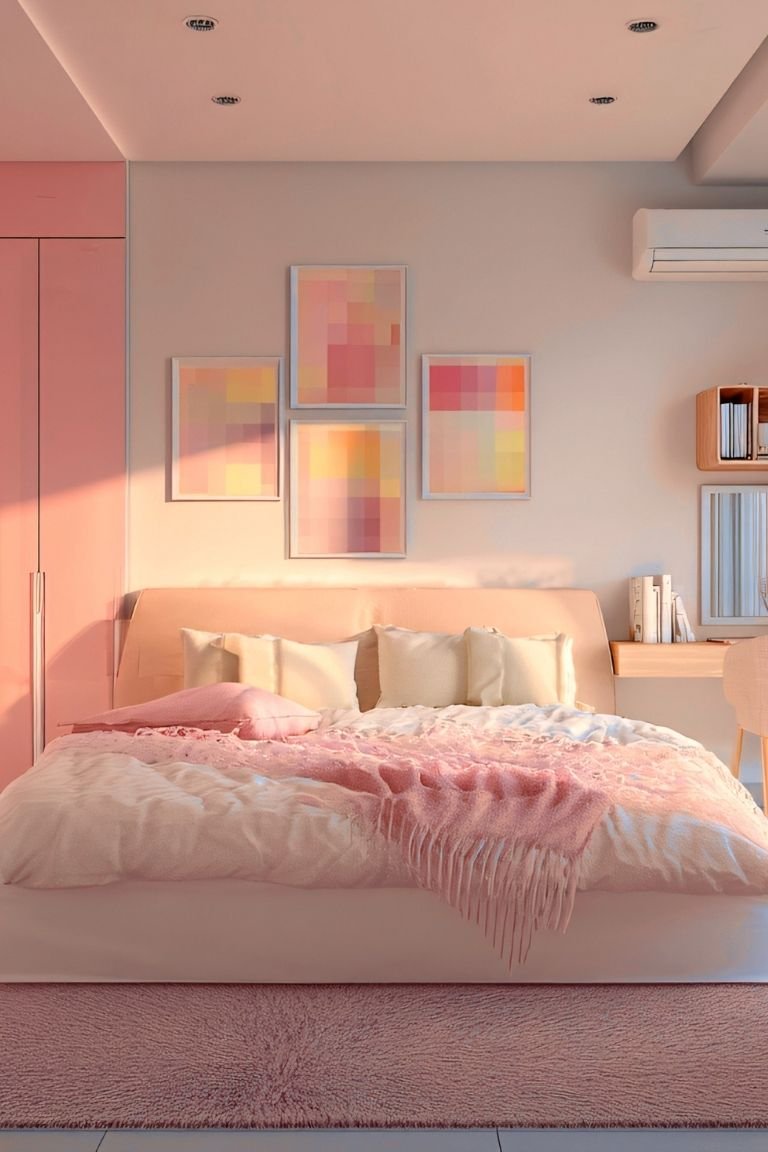
Your bedroom should be the most restful space in your home — a place where your body and mind can truly unwind. Yet many bedrooms are designed around aesthetics alone, without considering how layout, lighting, color, and sensory elements affect sleep quality and relaxation.
Good bedroom design isn’t about following trends or creating a picture-perfect space. It’s about supporting rest, comfort, and daily routines in a way that feels natural and calming.
Below, we explore bedroom design ideas that promote better sleep and relaxation — focusing on choices that help you feel grounded at night and refreshed in the morning.
Why Bedroom Design Affects Sleep Quality
Sleep is deeply connected to environment. Light levels, color tones, textures, and even how furniture is arranged can influence how easily you fall asleep and how rested you feel when you wake up.
A bedroom that feels visually busy or overstimulating can make it harder for your nervous system to slow down. On the other hand, a thoughtfully designed space encourages relaxation by reducing visual noise and creating a sense of safety and comfort.
The goal is not perfection — it’s creating a space that signals rest.
Start With a Calm, Functional Layout
Layout is one of the most overlooked aspects of bedroom design, yet it plays a major role in how the space feels.
A calm bedroom layout prioritizes:
- Clear pathways around the bed
- Easy access to storage
- Balanced furniture placement
- A strong visual focal point (usually the bed)
When furniture is overcrowded or awkwardly placed, the room can feel restless rather than restful. Aim to leave negative space where possible — empty space allows the room to breathe.
Choose Colors That Support Rest
Color has a powerful psychological impact. In bedrooms, softer and warmer tones tend to promote relaxation more effectively than high-contrast or overly saturated hues.
Calming bedroom colors often include:
- Warm whites and off-whites
- Soft beige or greige
- Muted blues and greens
- Gentle earth tones
These shades reduce visual stimulation and help create a cocoon-like atmosphere that encourages sleep. Darker tones can also work beautifully in bedrooms when balanced with soft lighting and texture.
Layer Lighting for Evening Wind-Down
Lighting has a direct impact on circadian rhythm. Bright, cool lighting can signal alertness, while warm, low lighting supports relaxation.
Rather than relying on a single overhead light, layer your lighting:
- Ambient lighting: Soft overall illumination
- Task lighting: Bedside lamps for reading
- Accent lighting: Wall lights or subtle LED strips
Using warm bulbs (around 2700K–3000K) and dimmers allows you to shift the mood in the evening without sacrificing function earlier in the day.
Use Texture to Create Comfort
Texture plays a huge role in how a bedroom feels. While bedrooms often rely on flat surfaces and neutral colors, texture adds warmth and softness without visual clutter.
Introduce texture through:
- Layered bedding (sheets, duvets, throws)
- Upholstered or padded headboards
- Woven rugs or fabric curtains
- Soft, tactile pillows and cushions
These elements help the room feel inviting and physically comfortable — key components of a space designed for rest.
Keep Visual Clutter to a Minimum
Clutter can subconsciously increase stress and make it harder to relax. Bedrooms benefit from a simplified approach to decor and storage.
To reduce visual clutter:
- Limit decorative items on surfaces
- Use concealed storage where possible
- Choose furniture with clean lines
- Keep color palettes cohesive
A calm bedroom doesn’t mean an empty one — it means everything in the space has a purpose.
Consider Sound and Sensory Comfort
Sound is often overlooked in bedroom design, but it has a major impact on sleep quality. Hard surfaces reflect sound, while soft furnishings absorb it.
Adding elements like curtains, rugs, and upholstered furniture helps soften acoustics and reduce echo. These small adjustments can make the bedroom feel quieter and more cocooned.
Scent can also support relaxation. Subtle, calming scents such as lavender or cedarwood can signal your body that it’s time to rest — just be mindful not to overwhelm the space.
Make the Bed the Emotional Center of the Room
The bed should feel like the most comfortable, welcoming place in the room. Investing in quality bedding, supportive pillows, and a mattress that suits your sleep style has a direct impact on rest.
Visually, anchoring the bed with a headboard, artwork, or balanced lighting creates stability and calm. Avoid placing the bed where it feels cramped or exposed if possible.
Final Thoughts
Bedroom design that promotes better sleep and relaxation is rooted in comfort, simplicity, and intention. When layout, color, lighting, and texture work together, the bedroom becomes more than just a place to sleep — it becomes a space that supports wellbeing.
By reducing visual noise, layering soft lighting, and prioritizing comfort over trends, you can create a bedroom that helps you unwind at night and wake up feeling restored.