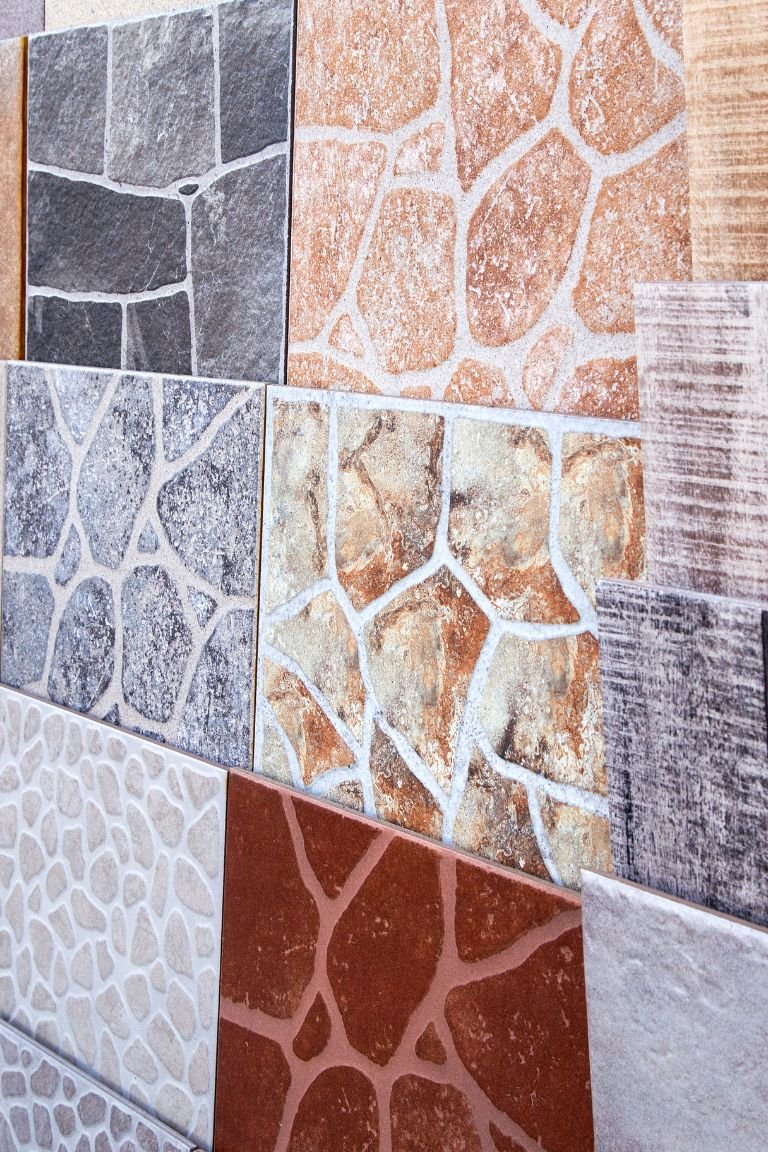
Tiles are one of the most visible and long-lasting elements in a bathroom. Because of this, choosing a pattern that feels timeless — rather than trendy — is one of the smartest design decisions you can make.
Whether you’re renovating or simply updating surfaces, timeless tile patterns enhance both aesthetic appeal and everyday comfort. They also work harmoniously with lighting, color, and materials that age well.
Before diving into tile patterns, you may want to review broader planning concepts in How to Plan a Bathroom Renovation Without Feeling Overwhelmed, especially if this is part of a larger project.
Why Tile Pattern Choice Matters
Tiles influence rhythm, grain, texture, and visual flow in your bathroom. The right pattern provides subtle movement without visual noise — supporting a calm and intentional space. Conversely, overly busy patterns can age quickly or make small bathrooms feel cluttered.
Your tile choices also interact with lighting in the room. For more about how lighting impacts perception and mood, see Why Bathroom Lighting Matters More Than You Think.
Below are tile pattern recommendations that have stood the test of time and continue to pair beautifully with a variety of design styles, from modern minimal to warm traditional.
1. Classic Straight Lay (Stacked) Pattern
The classic straight lay is the most familiar and enduring tile pattern. Tiles are aligned in straight horizontal and vertical rows, creating a clean, uniform surface.
| Best Used For | Why It Works |
|---|---|
| Floor tiles | Creates a seamless visual plane |
| Large wall tiles | Provides calm continuity |
This pattern pairs well with minimal tile selections and works beautifully with large-format tiles, which have fewer grout lines — reinforcing a calm, uncluttered feel similar to ideas in Small Bathroom Design Ideas That Feel Calm and Uncluttered.
2. Subway Tile in a Traditional Brick Pattern
Subway tile laid in a classic brick (offset) pattern is timeless because it balances tradition with simplicity. The staggered grout lines create subtle movement without visual noise.
- Use matte finishes for a soft, refined look
- Choose neutral colors to support a relaxed palette
- Consider pale greys or warm whites
This pattern works exceptionally well in shower walls, backsplashes, and accent niches — and pairs beautifully with warm neutrals discussed in Bathroom Color Palettes That Create Calm and Comfort.
3. Herringbone With Subtle Contrast
A herringbone pattern introduces visual interest without feeling overwhelming when done in subtle, neutral tones. This pattern feels more elevated than a straight lay but still stays within a timeless design framework.
Use herringbone sparingly — for example, on a feature wall or behind a vanity — to avoid distracting from the overall calm of the space.
- Best for wall accents, not entire floors
- Works well with rectangular tiles
- Keeps contrast low for longevity
Pair herringbone with warm neutrals and layered lighting to create depth without dominating the room.
4. Basketweave Pattern
The basketweave pattern is a classic choice with historical roots. It combines small rectangular tiles into a repeating woven effect that feels deliberate and refined.
This pattern works especially well on floors, adding subtle texture without noise — particularly in neutral tones that echo the calming palettes mentioned earlier.
- Works best with two complementary tile sizes
- Keeps scale small for understated interest
5. Chevron — Elegant but Subtle
Chevron patterns read cleaner and more structured than herringbone because the ends of the tiles are cut at angles that meet precisely. When you choose muted tones and matte finishes, chevron feels more timeless and less trend-driven.
Use chevron in moderation — for smaller vertical surfaces rather than expansive floors — to avoid overpowering the space.
6. Large Format + Minimal Grout Lines
Large-format tiles (for example, 12×24″ and up) with minimal grout lines create a smooth, open visual field. This approach reinforces simplicity and calm, especially on floors or large wall surfaces.
Minimal grout lines also make maintenance easier and help a space feel larger, a strategy especially valuable for smaller bathrooms where uninterrupted surfaces contribute to openness.
For more on space and circulation, see How Bathroom Layout Impacts Daily Routines and Comfort.
Matching Tile Patterns to Bathroom Zones
Different zones in a bathroom benefit from different pattern approaches. For example:
- Shower walls: Straight lay, subway brick, or subtle herringbone
- Bath surrounds: Large format or classic subway
- Floor: Basketweave, large-format slab, or muted chevron
- Accents: Feature zone herringbone or chevron in neutral tones
Keeping contrast low and materials timeless helps ensure that patterns support the space rather than compete with it.
Consider Grout Color as Part of the Pattern
Grout color influences how a pattern reads visually. High-contrast grout emphasizes pattern lines, while matching grout creates a smoother, unified surface.
For timeless patterns, choose grout that complements or closely matches the tile color. This subtle coordination supports a calm, cohesive look without making grout lines a focal point — a strategy that aligns with tile choices that feel “quiet” rather than loud or trendy.
Final Thoughts
Timeless tile patterns aren’t about avoiding style — they’re about choosing visuals that support calm, complement materials, and feel intentional years after installation.
Classic patterns like straight lay, subway brick, subtle herringbone, and basketweave have proven longevity because they balance visual interest with simplicity. Combined with thoughtful lighting, warm palettes, and quality materials, these patterns make bathrooms feel tailored without chasing trends.
When you choose tile patterns with intention and restraint, your bathroom design feels both cohesive and lasting — a space that’s calm, functional, and beautiful for years to come.